
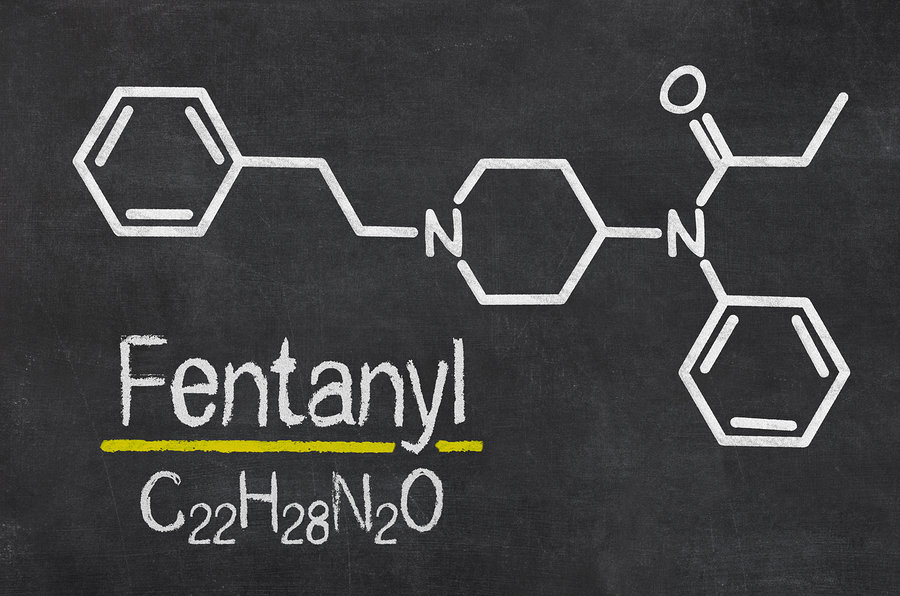
Fentanyl abuse shows up as heavy drowsiness, pinpoint pupils, slowed breathing, nodding off mid-conversation and a life that increasingly revolves around getting the drug. Because fentanyl is so strong, the line between “high” and overdose is razor thin. Recognizing the symptoms of fentanyl abuse early can save a life.
Some people knowingly use fentanyl. Many more are exposed without realizing it, through pills or powders they thought were something else. Either way, the warning signs are the same.
What Is Fentanyl?
Fentanyl is a synthetic, lab-made opioid. According to the CDC, it’s up to 50 times stronger than heroin and 100 times stronger than morphine. Pharmaceutical fentanyl, sold under brand names like Actiq, Duragesic and Sublimaze, is prescribed for severe pain, such as after surgery, and given under close medical supervision.
Most of the harm comes from illegally made fentanyl. The CDC says most recent fentanyl overdoses are linked to it, and that synthetic opioids like fentanyl contribute to nearly 70% of overdose deaths. For a closer look at what opioids do inside the brain, see how opioids affect the brain.
How People Are Exposed Without Knowing
NIDA reports that illicit fentanyl is mixed into or sold as other drugs, including heroin, cocaine and counterfeit pills made to look like prescription painkillers or anti-anxiety medication. A lethal dose of fentanyl can be very small. Someone who thinks they’re taking one oxycodone pill, or a line of cocaine, can be taking a fatal amount of fentanyl instead.
That’s why “I don’t use fentanyl” doesn’t mean you’re safe if you use any street drug or any pill that didn’t come from a pharmacy.
Physical Symptoms of Fentanyl Abuse
Fentanyl acts on the same opioid receptors as heroin and morphine, so the physical signs look like other opioid use, often more intense:
- Extreme drowsiness or “nodding off,” sometimes mid-sentence
- Pinpoint (very small) pupils
- Slow, shallow breathing
- Confusion and slurred speech
- Nausea and vomiting
- Constipation
- Itching or scratching
- Weakness and poor coordination
Someone using fentanyl patches may have them in unusual places, or you may find foil with burn marks, small baggies, or pills with odd markings or colors.
Behavioral Signs of Fentanyl Abuse
Behavior often changes before anyone recognizes the drug. Watch for:
- Taking prescription opioids more often or in larger amounts than prescribed
- “Losing” prescriptions or visiting several doctors
- Pulling away from family and friends, or new friends nobody knows
- Missing work or school, falling behind on bills
- Money or valuables disappearing
- Secrecy about where they’ve been
- Using to escape stress, pain or bad memories
For people who started with a legitimate prescription, the slide is usually gradual. A few extra pills on a bad day turns into running out early, then looking for something on the street when the prescription stops. Our prescription drug addiction page talks more about that path.
Fentanyl Overdose: Warning Signs and What to Do
Call 911 immediately if someone shows any of these signs:
- Won’t wake up or respond, even to their name or a hard rub on the breastbone
- Breathing that is very slow, irregular or has stopped
- Pinpoint pupils
- Blue, gray or pale lips and fingertips
- Choking, gurgling or snoring sounds
- Cold, clammy skin
If you have naloxone (Narcan), give it right away. Naloxone can reverse an opioid overdose, and it’s available without a prescription at many pharmacies. Fentanyl’s strength means one dose may not be enough, so follow the package directions and the 911 dispatcher. Lay the person on their side if they’re breathing, and stay with them until help arrives. Naloxone can wear off before the fentanyl does.
If you love someone who uses opioids, keep naloxone at home and in the car, and learn the signs above. It’s not giving permission. It’s making sure there’s still a person left to get better. Many families tell us the hardest part is living with the fear of a phone call. Having a plan for an emergency makes that fear a little more manageable.
Fentanyl Withdrawal Symptoms
Once the body depends on fentanyl, stopping brings on opioid withdrawal. NIDA describes opioid withdrawal as including restlessness, muscle and bone pain, insomnia, diarrhea, vomiting and cold flashes with goose bumps. With heroin, the worst symptoms usually peak 24 to 48 hours after the last use and ease after about a week, though some people feel effects for months.
Withdrawal isn’t just uncomfortable. It drives relapse, and relapse after a break is especially dangerous, because tolerance drops while the drug supply stays just as strong. Please don’t detox from fentanyl alone. A medically supervised detox keeps you safer, and doctors can talk with you about medications for opioid use disorder such as buprenorphine, methadone or naltrexone.
Treating Fentanyl Addiction as a Whole Person
Getting through withdrawal is the start. Lasting recovery means dealing with what came before: chronic pain, trauma, depression, anxiety, broken trust at home. At Covenant Hills, we take a whole-person approach that addresses mind, body and spirit. Clients work with counselors and therapists in individual and group sessions, and those who choose our faith-based track can rebuild their relationship with God alongside their recovery.
Covenant Hills is a Christian-based addiction treatment center in Orange County, California, with detox, residential treatment and step-down care. We also treat heroin addiction and other opioid use.
If you or someone you love is using fentanyl, or might be without knowing it, call 800-662-2873 for a free, confidential assessment. If someone is overdosing right now, call 911.
Frequently Asked Questions
What are the signs of fentanyl abuse?
Extreme drowsiness, pinpoint pupils, slowed breathing, confusion, nausea and constipation, along with behavior changes like secrecy, missing obligations and pulling away from loved ones.
How strong is fentanyl?
The CDC says fentanyl is up to 50 times stronger than heroin and 100 times stronger than morphine. A lethal dose can be very small.
What should I do if I think someone is overdosing on fentanyl?
Call 911, give naloxone if you have it, keep them on their side if they’re breathing, and stay with them until help arrives.
Can you detox from fentanyl at home?
It isn’t recommended. Withdrawal is intense, relapse risk is high, and an overdose after a period without using can be fatal. Medically supervised detox is much safer.






