What is rehab? It’s structured treatment for drug or alcohol addiction. It combines medical care, counseling and support to help you stop using safely, understand why you started and build a life that holds up without the substance. It can mean living at a treatment center for weeks, or going to therapy several days a week while you sleep at home.
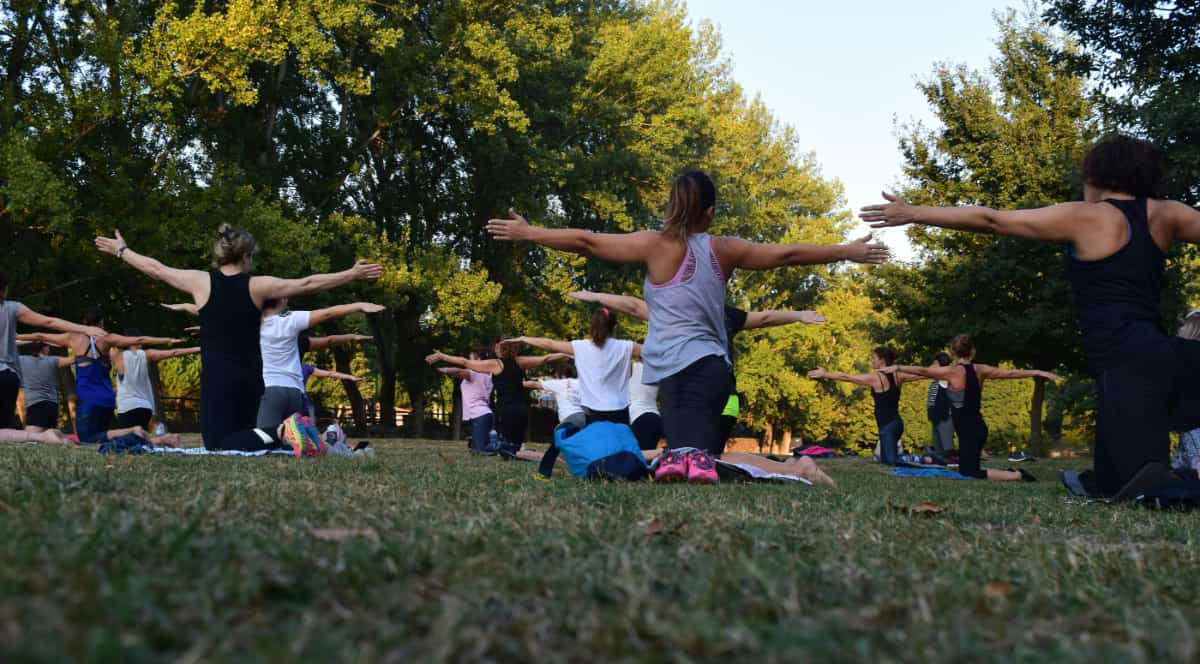
“Rehab” is short for rehabilitation, and the word is used for physical injuries too. When most people say it, though, they mean addiction treatment. The movie version (a celebrity in a robe by a pool) has very little to do with what it’s actually like.
What Does Rehab Treat?
Mostly substance use disorders: alcoholism, opioid and heroin addiction, cocaine and meth, prescription pills, marijuana and more. Many programs also treat the mental health conditions that so often come with addiction, like depression, anxiety and PTSD. Treating those at the same time is called dual diagnosis care, and it matters more than most people realize.
Types of Rehab
Treatment comes in levels, from the most structured to the least. Many people start at one level and step down as they get stronger.
| Type | Where you sleep | Who it fits |
|---|---|---|
| Detox | At the facility, usually a few days to a week or so | Anyone physically dependent, especially on alcohol, benzos or opioids |
| Residential (inpatient) | At the treatment center | Moderate to severe addiction, unsafe home, past relapses |
| Day treatment (PHP) | At home or in sober living | Needs structure most of the day but not 24-hour care |
| Intensive outpatient (IOP) | At home | Stable enough to work or go to school, needs several sessions a week |
| Aftercare and sober living | At home or a sober living house | Anyone finishing formal treatment |
Our levels of care page explains how each one works at Covenant Hills, from detox to residential inpatient to intensive outpatient.
What Happens in Rehab?
Most residential programs follow a similar shape. You arrive and get assessed: your substance history, physical health, medications, mood, family and legal situation. If your body needs it, you go through medical detox first.
After that, days have a rhythm. A typical one might start with breakfast and a morning meeting, move into group therapy, then an individual session with your counselor. Afternoons often bring education classes on things like triggers and relapse, exercise or free time, and family sessions on certain days. Evenings usually close with a 12-step meeting. In a faith-based program, prayer, worship and Bible study are part of the week.
None of it is glamorous. A lot of it is just practice: sleeping at night, eating real meals, sitting with a hard feeling without reaching for something to numb it.
What Surprises People About Rehab
Detox Isn’t Always the First Step
Some people don’t need detox at all. Heavy daily alcohol, benzodiazepine or opioid use usually does call for it. Others, like many people who use stimulants or marijuana, may move straight into therapy after an assessment.
Family Gets Involved
Addiction rearranges a whole household. Good programs bring spouses, parents and sometimes adult children into counseling, both to heal what’s broken and to help them stop enabling without meaning to.
Medication Can Be Part of It
Medication-assisted treatment (MAT) uses FDA-approved medications alongside counseling, mainly for opioid and alcohol addiction. It’s not “trading one drug for another.” Used properly, it reduces cravings and lowers the risk of relapse and overdose.
Mental Health Is Half the Work
Many people start using to cope with something: anxiety, depression, grief, trauma. If rehab takes away the substance and ignores the reason, the reason is still there on day one at home. That’s why dual diagnosis treatment matters so much.
Relapse Doesn’t Mean It Failed
Addiction is a chronic condition, and relapse happens to a lot of people. It’s a signal to adjust the plan, not proof that treatment can’t work. We wrote more about this in relapsing isn’t a sign of failure.
Leaving Is the Middle, Not the End
The first months after rehab are when people are most vulnerable. Step-down care, support groups and aftercare keep the structure from disappearing overnight.
How Long Is Rehab?
Detox might take several days. Residential programs commonly run anywhere from about a month to a few months, and outpatient care can continue for months after that. Longer, step-by-step treatment tends to give people a better foundation than a short stay followed by nothing.
Is Rehab Right for You?
If you’ve tried to cut back and couldn’t, if you get sick when you stop, or if your use is hurting your health, work or family, it’s worth getting assessed. You don’t have to hit some dramatic bottom first. If you’re getting ready to go, our guide on preparing for rehab covers the practical side.
Frequently Asked Questions
What is rehab for drugs?
Drug rehab is treatment for drug addiction that usually includes detox if needed, individual and group therapy, education about addiction and a plan for staying sober after you leave.
What is rehab like?
Structured and fairly ordinary. Days are built around therapy, groups, meals, rest and meetings, with time for family sessions and, in faith-based programs, worship and prayer.
What’s the difference between rehab and detox?
Detox clears substances from your body and manages withdrawal, usually over several days. Rehab is the treatment that comes after: therapy, education and support to deal with why you used and how to stay stopped. Detox alone rarely leads to lasting recovery.
Can you leave rehab whenever you want?
Voluntary rehab is just that, voluntary, so adults can generally leave. Leaving early does raise the risk of relapse, so it’s worth talking to your counselor before you go.
Does insurance pay for rehab?
Often, at least partly. Marketplace health plans are required to cover substance use disorder treatment, though benefits vary by plan. Most centers will check your coverage for free.
Rehab at Covenant Hills
Covenant Hills is a Christian addiction treatment center in Orange County, California, with separate programs for men and women and a choice of faith-based or traditional 12-step tracks. If you’re wondering whether rehab is the right next step, call 800-662-2873 for a free, confidential assessment. Healing is possible.