

EtOH is the abbreviation for alcohol, specifically ethanol, the kind in beer, wine and liquor. “Et” stands for the ethyl group and “OH” for the hydroxyl group, the two pieces that make up an ethanol molecule. Doctors, nurses, labs and chemists all use it as shorthand.
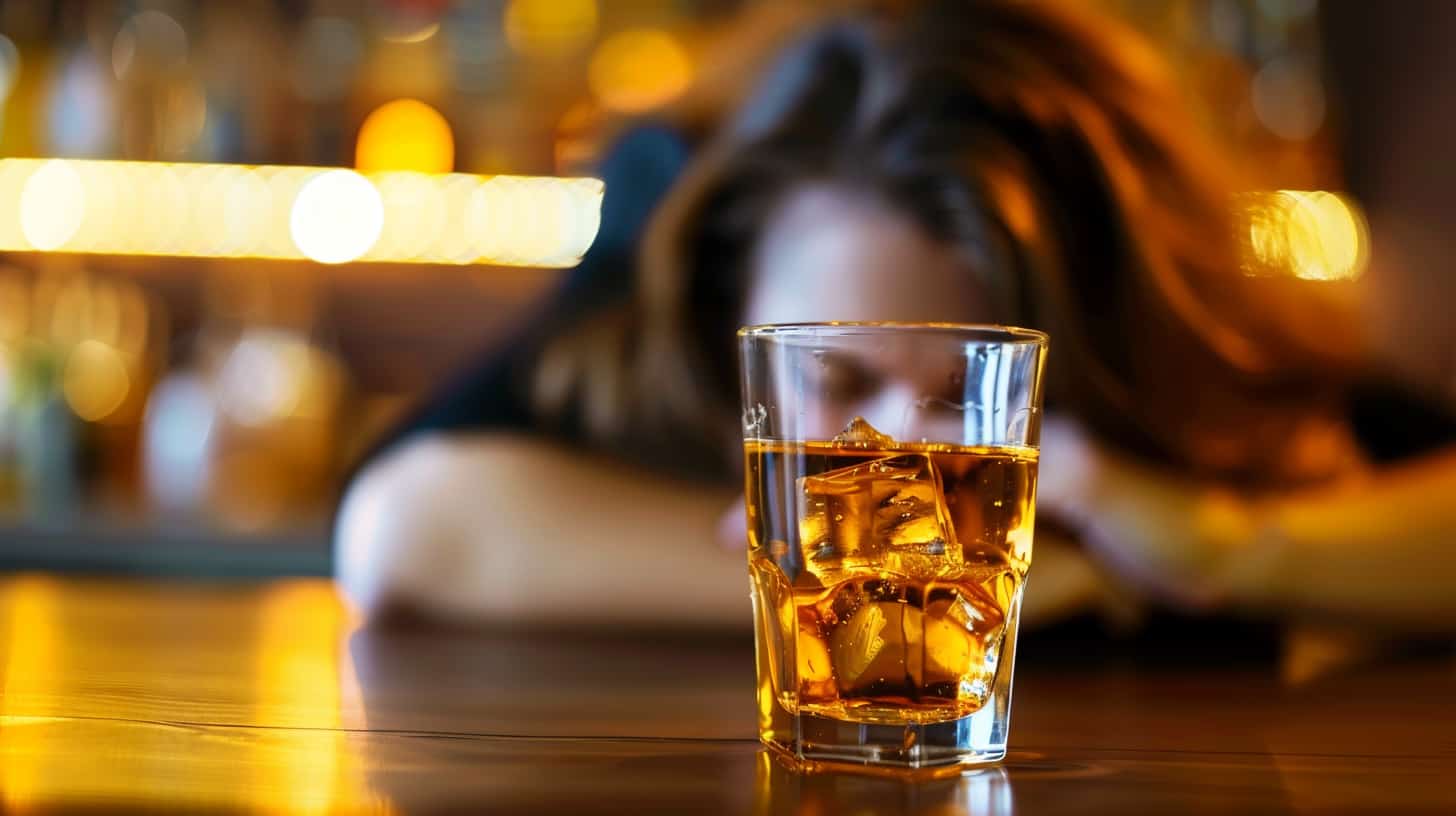
If you spotted “EtOH” on a hospital chart, an ER discharge sheet or a lab result, it’s referring to alcohol: either the alcohol in someone’s blood or their drinking habits. Usually it’s routine. Sometimes it’s the first place a drinking problem gets written down.
What Does EtOH Stand For?
Ethanol’s chemical formula is CH3CH2OH. Chemists break it into two parts: an ethyl group (CH3CH2, written “Et”) attached to a hydroxyl group (OH). Put them together and you get EtOH. It works the same way “Me” stands in for methyl in methanol, MeOH.
Say it out loud and most people spell it: E-T-O-H. You’ll occasionally hear “eh-toh” on a hospital floor.
Why not just write “alcohol”?
Because in chemistry “alcohol” is a whole family of compounds, not one. Methanol is an alcohol. So is isopropyl, the rubbing alcohol under your bathroom sink. Both are poisonous to drink. Ethanol is the only one meant for drinking, so when precision matters, a lab writes EtOH and there’s no confusion about which one it means.
How EtOH Shows Up in Medical Records
Healthcare workers chart fast, and EtOH saves time. A few common phrases and what they usually mean:
| On the chart | What it usually means |
|---|---|
| EtOH or ETOH | Alcohol, either the substance or drinking in general |
| EtOH level / serum EtOH | A blood test showing how much alcohol is in the bloodstream |
| Social EtOH | The patient reports drinking socially |
| Denies EtOH | The patient says they don’t drink |
| Hx of EtOH abuse | A history of problem drinking |
| EtOH use disorder | A diagnosis of alcohol use disorder |
| EtOH withdrawal | Withdrawal symptoms after stopping or cutting back on alcohol |
That last one is serious. When a chart says “EtOH withdrawal,” staff will usually start monitoring with a scoring tool; our post on the CIWA protocol explains how that works.
Other Abbreviations for Alcohol You Might See
EtOH isn’t the only one. On a chart you might also find AUD, short for alcohol use disorder, the current diagnosis for what used to be called alcoholism. BAC means blood alcohol concentration, the figure police and ER staff care about. On a bottle, ABV (alcohol by volume) tells you what share of the drink is ethanol: about 5 percent for a regular beer, about 12 percent for table wine and about 40 percent for liquor, according to NIAAA.
Where the Words Come From
The history is odder than you’d guess. The German chemist Justus von Liebig coined “ethyl” in 1834, building it from the German name for ether. “Ethanol” became the official name in 1892, when chemists agreed on a system for naming alcohols.
“Alcohol” is much older. It comes from the Arabic al-kuhl, a fine powder of antimony ore used as eye makeup. For centuries the word meant any finely refined substance. Only in 1753 was it first recorded meaning the spirit in wine, and eventually it came to mean the drink itself.
What EtOH Does in the Body
Ethanol is a depressant. It slows the central nervous system, which is why a few drinks loosen you up and a lot of drinks slur your speech and wreck your balance. It also triggers a rush of dopamine in the brain’s reward system, which is a big part of why it feels good, and why it’s habit-forming.
Drink heavily for long enough and the brain adapts. You need more to feel the same thing. Without alcohol, you feel worse than you did before you started. That’s not weak character; it’s a brain that’s been retuned. The CDC estimates that about 178,000 people die from excessive alcohol use each year in the United States.
When EtOH on a Chart Means Something More
One line in one record doesn’t tell you much. But if “EtOH” keeps showing up (an ER visit after a fall, elevated liver enzymes at a checkup, a note about withdrawal during a hospital stay), it’s worth an honest look at the drinking behind it.
Some people hold down jobs and families while drinking far too much, and nobody around them says a word until a doctor does. Our post on the signs of a high-functioning alcoholic covers what that looks like.
Treatment for alcohol use disorder usually starts with medically supervised detox, then therapy, peer support and sometimes medication. Naltrexone and disulfiram are two of the medications doctors use; our post on Antabuse and alcohol explains how disulfiram works. If you drink heavily every day, don’t stop suddenly on your own. Alcohol withdrawal can cause seizures and can be life-threatening, so talk with a doctor first.
Frequently Asked Questions
What does EtOH stand for in medical terms?
Ethanol, the alcohol in drinks. “Et” is the ethyl group and “OH” is the hydroxyl group. In charting, it’s shorthand for alcohol or alcohol use.
Is EtOH the same as alcohol?
Yes, in everyday and medical use. Strictly speaking, EtOH means ethanol, which is one specific type of alcohol and the only one people drink.
What is a normal EtOH level?
For someone who hasn’t been drinking, there should be no measurable alcohol in the blood. For comparison, 0.08 percent is the legal driving limit in most U.S. states. Your doctor can explain what a specific result means for you.
What does “EtOH abuse” mean on a chart?
It’s older shorthand for problem drinking. Many clinicians now write “alcohol use disorder” instead, which is graded mild, moderate or severe.
Alcohol Treatment at Covenant Hills
Covenant Hills is a Christian-based treatment center in Orange County, California. We help clients arrange medically supervised detox, then offer residential treatment for alcoholism with faith-based and traditional tracks and separate programs for men and women.
If EtOH has become more than an abbreviation in your life, call 800-662-2873 for a free, confidential assessment.






