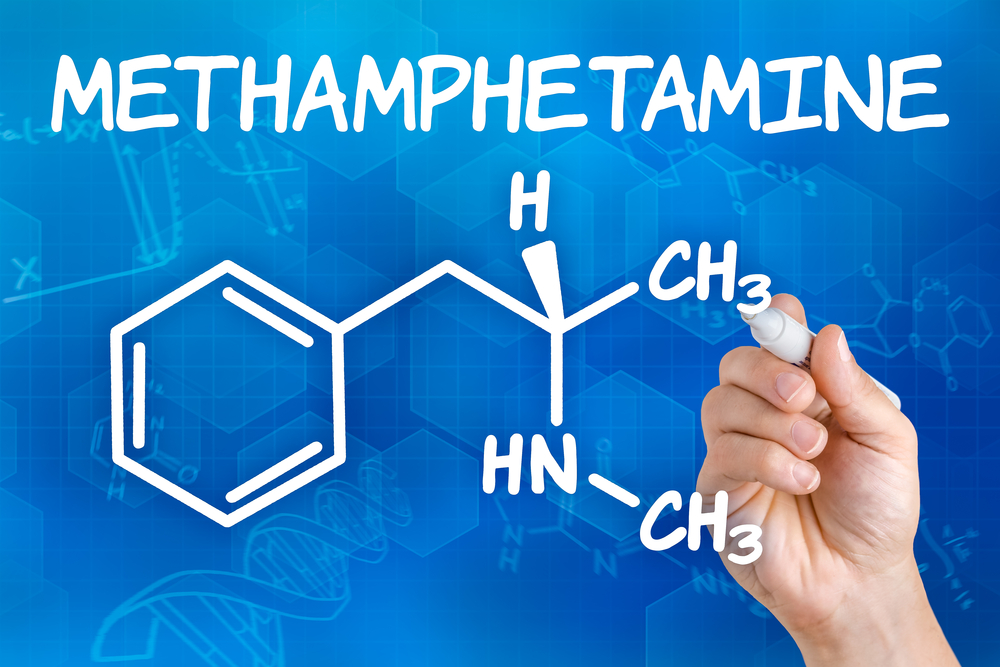
On the crack vs meth question, start here: they aren’t the same drug. Crack is a smokable form of cocaine, which comes from the coca plant. Methamphetamine is made entirely in a lab. Both are powerful, highly addictive stimulants, but meth stays in the body much longer, so its high lasts for hours. A crack high is over in minutes.
People lump them together because both are smoked, both come with intense binges, and both can wreck a life fast. The differences still matter, especially if you’re a family member trying to understand what a loved one is going through.
The Difference Between Crack and Meth
According to the National Institute on Drug Abuse (NIDA), the biggest differences come down to where each drug comes from, how it works in the brain and how long it stays in the body.
Crack cocaine
Methamphetamine
Origin
Plant-derived (coca leaves), processed into a smokable rock
Man-made in labs from chemicals
Common forms
Off-white rocks
Crystals (“crystal meth”), powder, pills
How it is used
Usually smoked
Smoked, snorted, injected or swallowed
How it works
Blocks dopamine from being reabsorbed
Releases more dopamine and blocks its reabsorption
Half-life in the body
About 1 hour (cocaine)
About 12 hours
How long the high lasts
5 to 10 minutes when smoked
Many hours
Key health risks
Heart attack, stroke, seizures, lung damage
Psychosis, severe dental problems, skin sores, brain changes
Where they come from
Crack starts out as powder cocaine. NIDA explains that it’s made by processing cocaine with baking soda or ammonia and water, then heating it into rocks that can be smoked. The name comes from the crackling sound the rock makes when it’s heated.
Meth is synthetic. It’s cooked from chemicals in illegal labs, so its purity and contents vary widely from one batch to the next.
How they work in the brain
Both drugs flood the brain with dopamine, the chemical tied to pleasure and motivation. They just get there differently. Cocaine blocks dopamine from being recycled. Meth does that too, and it also pushes the brain to release more dopamine in the first place. NIDA notes that the result is much higher dopamine levels, which can be toxic to nerve cells.
Meth vs. Crack: Which Is Stronger?
“Stronger” can mean a few things. A crack high hits fast and hard: NIDA says smoking cocaine produces a more immediate high that lasts only 5 to 10 minutes. Meth’s effect lasts longer and, in dopamine terms, runs more intense. NIDA reports that meth has a half-life of about 12 hours compared with about 1 hour for cocaine, and more of it stays unchanged in the body. That’s why a meth high can go on for hours.
Neither one is the “safer” choice. Crack’s short high drives people to use again and again in a single night, while meth’s long high keeps people awake for days and puts sustained strain on the heart and mind.
Which Is More Addictive?
Both are highly addictive, just in different ways. With crack, the rush is so brief that people chase it, using over and over until the money or the supply runs out. With meth, the long, intense high and the deep crash afterward push people into binges that can last days.
Withdrawal from either one usually means exhaustion, depression, irritability, bad sleep and strong cravings. Without support, the first weeks of stopping are very hard to get through.
Health Risks of Crack and Meth
Crack
NIDA warns that cocaine is toxic to the heart and blood vessels. People can have chest pain that feels like a heart attack, along with strokes, seizures and inflammation of the heart muscle. Smoking crack damages the lungs too, and it can make asthma worse. Any use can lead to sudden death from a heart attack, stroke or seizure.
Meth
NIDA lists weight loss, severe tooth decay, skin sores, anxiety, confusion, insomnia and violent behavior among the effects of long-term meth use. Paranoia, hallucinations and delusions can also set in, and they may last months or years after someone stops. There is good news: NIDA reports that some meth-related brain changes improve with long-term abstinence.
Both: the fentanyl problem
The CDC warns that fentanyl can be mixed into cocaine and methamphetamine. Someone who only uses stimulants has no opioid tolerance, so a contaminated batch can stop their breathing. If a person is unresponsive or breathing slowly, call 911 and give naloxone if you have it.
For the wider picture, including prescription stimulants and MDMA, see our post on the dangers of stimulants.
Treatment for Crack and Meth Addiction
Whichever drug it is, recovery usually starts with getting safely through the crash. Then comes structured treatment that looks at why the person is using and how to live without it. Behavioral therapy, peer support and a stable routine all matter. So does hope. Plenty of people who once thought they were too far gone are living full, sober lives today.
Learn more about our programs for meth addiction and cocaine addiction.
Frequently Asked Questions
Are meth and crack the same?
No. Crack is a form of cocaine, which comes from the coca plant. Meth is a synthetic stimulant made in labs. Both are smoked and both are highly addictive, but they act differently in the brain and last very different lengths of time.
What is the difference between crystal meth and crack?
Crystal meth is a smokable form of methamphetamine, usually glassy shards. Crack is smokable cocaine, usually in rock form. A meth high lasts hours; a crack high lasts minutes.
Which is stronger, crack or meth?
Crack hits faster. Meth lasts much longer and drives dopamine higher. Both are dangerous, and both can kill.
Can you tell them apart by looking?
Not reliably. Street drugs are often cut with other substances, fentanyl included, so what they look like tells you very little about what’s actually in them.
Get Help at Covenant Hills
Covenant Hills is a Christian residential treatment center in Orange County. We offer detox support, therapy and spiritual care for people struggling with crack, meth and other stimulants, and our faith-based track lets clients bring their faith into every part of recovery. Call 800-662-2873 for a free, confidential assessment.
Previous PostEyes of a Drunk? 7 Signs to Look For
Next PostChristian Group Therapy for Addiction: What to Expect