
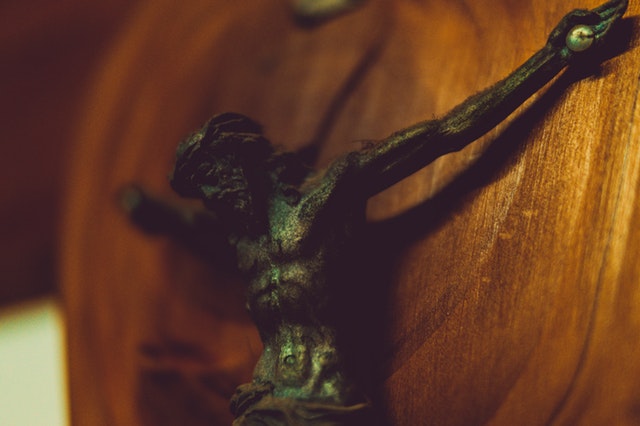
Your Catholic faith can be one of the strongest supports you have in addiction recovery. The Church offers sacraments for forgiveness and strength, a long tradition of prayer, and saints who fought this same battle. It also teaches that caring for your health, professional treatment included, is part of living faithfully. Catholic addiction recovery works best when faith and treatment go hand in hand.
What Catholic Teaching Says About Addiction
The Catechism of the Catholic Church treats the misuse of alcohol and drugs under the virtue of temperance and the duty to care for the life and health God has given us. Abusing alcohol or drugs is wrong, and the Catechism says so plainly. It’s just as plain that the Church meets people who are struggling with mercy, not rejection.
Catholic teaching also holds that grace builds on nature, so God works through medicine, counseling and community as well as through prayer. Getting treatment for addiction doesn’t show a lack of faith. You’re caring for the body Paul called “the temple of the Holy Ghost” (1 Corinthians 6:19, KJV).
Ways Your Catholic Faith Supports Recovery
Place your trust in God
Recovery starts with admitting you can’t fix this alone. For Catholics, that surrender has a familiar shape: it’s the same trust you express every time you pray “Thy will be done” in the Our Father. Jesus’ invitation still stands: “Come unto me, all ye that labour and are heavy laden, and I will give you rest” (Matthew 11:28, KJV).
Seek forgiveness in Reconciliation
Shame keeps a lot of people stuck in addiction. The Sacrament of Reconciliation offers something therapy alone can’t: hearing the words of absolution spoken over you. Many Catholics in recovery say a good confession, sometimes after years away, was their turning point. It can also make forgiving yourself easier, and staying sober depends heavily on that.
Receive strength in the Eucharist
Regular Mass and Holy Communion anchor your week and tie you to a parish community. If your life has been chaotic, the steady rhythm of the liturgy can be its own kind of healing.
Replace old habits with prayer
Addiction trains the brain to reach for a substance when stress or boredom hits, so recovery means building new responses. Catholic tradition has plenty: the Rosary, the Divine Mercy Chaplet, a short visit to Eucharistic adoration, a decade prayed in the car. When a craving comes, a prayer you know by heart gives your hands and mind something to do. More ideas are in our post on prayer to stay sober.
Catholic Saints and Figures Connected With Addiction
Venerable Matt Talbot
Matt Talbot was a Dublin laborer who started drinking heavily as a boy. In 1884, at 28, he took the pledge to stop drinking, first for three months and then for life. He stayed sober about 40 years, until his death in 1925, and spent those years in prayer, work and charity. Pope Paul VI declared him Venerable in 1975. Many Catholics ask for his prayers for people struggling with alcoholism.
St. Maximilian Kolbe
A Polish Franciscan priest, St. Maximilian Kolbe gave his life in place of another prisoner at Auschwitz. The Church venerates him as a patron of people struggling with drug addiction, and his feast falls on August 14.
The Calix Society
The Calix Society is a Catholic fellowship founded in the United States in the 1940s for people recovering from alcoholism. It isn’t a treatment program, and it doesn’t replace 12-step meetings. What it does is help Catholics who are already sober deepen their faith and reconnect with the Church.
Talk With Your Priest
Your parish priest can be a real ally. He can hear your confession, pray with you, help your family and point you to Catholic support nearby. You don’t need your life together before you talk to him. Priests hear these stories more often than most people realize.
Faith and Treatment Work Together
Addiction affects the body as well as the soul. Stopping alcohol or certain drugs suddenly can cause dangerous withdrawal, and many people need medical detox before anything else. Depression, anxiety and trauma often drive substance use, and they need professional care as well. Prayer and the sacraments give that work strength and meaning. They aren’t meant to replace it.
Looking for Scripture to pray with? Our list of Bible verses about addiction pairs well with the Rosary or the daily Mass readings. Family members might find how to pray for an addict useful.
Christian Addiction Treatment at Covenant Hills
Covenant Hills is a Christian rehab program in Orange County. We’re not a Catholic facility, but we welcome Catholics and Christians from every tradition. Clients in our faith-based track pray, study Scripture and work a Christ-centered 12-step program alongside evidence-based therapy, and we encourage them to stay connected to their own parish and clergy. Care here is gender-specific and individualized.
If you or someone you love is struggling with addiction, call 800-662-2873 for a free, confidential assessment.
Frequently Asked Questions
What does the Catholic Church teach about treating addiction?
The Church teaches that we have a duty to care for our health and that abusing alcohol or drugs is wrong, and it responds to people who struggle with mercy. Getting professional treatment fits fully within Catholic faith.
Are there Catholic alcohol rehab centers?
Some treatment programs are run by Catholic organizations. Many Catholics also choose a broadly Christian program like Covenant Hills, where they can keep practicing their faith and stay in touch with their parish during treatment. Whatever you’re considering, ask whether it’s licensed and how it supports your faith.
Who is the patron saint of addiction?
St. Maximilian Kolbe is venerated as a patron of drug addicts. Venerable Matt Talbot, who overcame alcoholism, is widely invoked for people struggling with drinking.
Can I go to confession about my addiction?
Yes. Many Catholics find the Sacrament of Reconciliation a powerful step in recovery, and your priest can offer ongoing spiritual guidance too.






