Mescaline is a hallucinogen found in certain cacti, peyote being the best known. Its side effects include intense nausea and vomiting, a racing heart, higher blood pressure, sweating and shaking, plus powerful shifts in perception that can swing from awe to panic. A mescaline experience can last most of a day. Once it starts, there’s no way to end it early.
Maybe you’ve heard someone mention “cactus juice.” Maybe you’re worried about how a person you love has been using. Either way, the details matter, and so does knowing when use has turned into a problem.
What Is Mescaline?
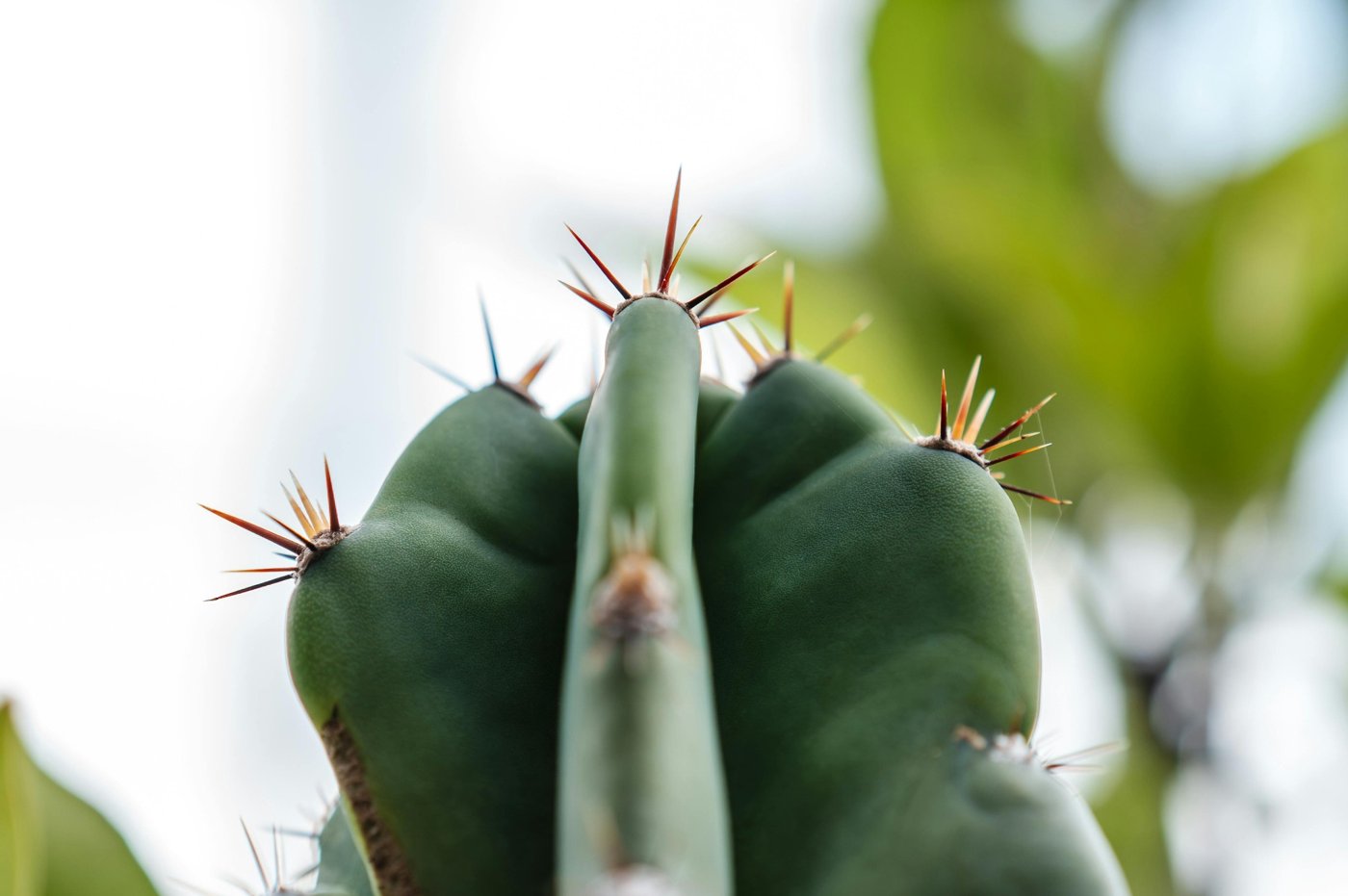
Mescaline is a psychedelic that occurs naturally in several cacti, mainly peyote, the San Pedro cactus and the Peruvian torch cactus. How much a plant contains varies a lot. It can also be made in a lab. Street names include buttons, cactus and mesc.
Like LSD and psilocybin, mescaline acts mainly on the brain’s serotonin 5-HT2A receptors. That changes how the brain processes what you see, hear and feel, and how you experience time and meaning. For more on the mechanism, read how hallucinogens affect the brain.
Does Cactus Juice Cause Hallucinations?
That depends entirely on the cactus. Store-bought juice made from edible cacti like prickly pear or nopal is a food product, and it isn’t hallucinogenic. In drug slang, though, “cactus juice” usually means a drink made from a mescaline-containing cactus such as peyote or San Pedro. That kind can absolutely cause hallucinations, along with every side effect described below.
Wild and home-grown cacti vary so widely in mescaline content that someone drinking cactus juice can’t know how strong it is.
Physical Side Effects of Mescaline
The DEA lists these physical effects of peyote and mescaline:
Intense nausea and vomiting
Dilated pupils
Increased heart rate and blood pressure
Heavy sweating
Headaches
Muscle weakness
Impaired coordination
People also report trembling, chest and neck discomfort and shortness of breath. If you have a heart condition or high blood pressure, those effects carry extra risk. Poor coordination and judgment make falls, burns and accidents more likely, especially outdoors or near traffic or water. For the bigger picture, see how hallucinogens affect the body.
Mescaline Visuals and Psychological Effects
Mescaline visuals are often the draw. Users describe brighter colors, sharper contrast, shifting patterns and geometric shapes (stripes, checkerboards, fractal designs). Objects can seem to flatten or warp. The DEA also lists illusions, hallucinations, an altered sense of space and time and a distorted body image.
Fascinating can turn frightening fast. The DEA notes that euphoria can give way to anxiety, and the psychological side effects people run into include:
Anxiety and panic
Paranoia, or a sense of losing control
Disturbing or overwhelming visions
Confusion about time and where you are
Psychosis in rare cases, especially for people with a personal or family history of mental illness
Effects usually begin within an hour and can last anywhere from about 6 to 14 hours. That’s a long time to be stuck inside an experience that’s gone wrong.
Mescaline and Alcohol
Alcohol doesn’t make a mescaline experience safer or smoother. Both drugs hit judgment and coordination, and alcohol can add to mescaline’s nausea and vomiting. It also makes it harder for the person, and anyone around them, to tell which symptom is coming from what. Many people throw cannabis or other drugs into the mix as well, which can intensify effects in ways nobody can predict. Any combination raises the odds of accidents, risky decisions and a frightening experience.
Is Mescaline Addictive?
Mescaline doesn’t appear to cause physical addiction the way opioids or alcohol do, and there’s little evidence of compulsive use. Tolerance builds quickly, though, within days, and it carries over to other psychedelics like LSD and psilocybin.
None of that makes it harmless. Some people come to lean on hallucinogens to escape, to feel spiritual or to cope with pain they haven’t dealt with. Others drift into a wider mix of substances. And one bad experience can leave lasting anxiety or perceptual changes such as hallucinogen persisting perception disorder (HPPD).
Is Mescaline Legal?
Under U.S. federal law, mescaline is a Schedule I controlled substance. Members of the Native American Church have a legal religious exemption for ceremonial peyote use, but that exemption doesn’t cover recreational use.
Manufactured vs. Authentic Spiritual Experiences
Mescaline has a long history in religious ceremony, and some people go looking for it hoping to find meaning, or God. The experience can feel profound. But a feeling produced by a chemical, on a schedule, wears off when the chemical does. It won’t change how you treat people on Monday or heal old wounds, and it gives you nothing to stand on when life gets hard.
Christian faith offers something else: a relationship with God that doesn’t depend on any substance, and a community of people walking alongside you. That kind of spiritual life is slower. Less dramatic, too. But it’s real, and it lasts.
Signs You May Need Help
Using hallucinogens regularly, or more than you meant to
Seeking out stronger or more varied substances
Anxiety, paranoia or visual disturbances that linger after use
Using to escape stress, grief or trauma
Mixing mescaline with alcohol or other drugs
Friends or family telling you they’re worried
A Way Back at Covenant Hills
Covenant Hills is a Christian-based treatment center in Orange County, California, offering evidence-based care for hallucinogen addiction. Hallucinogen use often overlaps with anxiety, depression or trauma, so our co-occurring disorders treatment treats mental health and substance use together.
If mescaline or other hallucinogens are pulling you away from the life you want, call 800-662-2873 for a free, confidential assessment.
Frequently Asked Questions
What are the side effects of mescaline?
Nausea, vomiting, a faster heart rate, higher blood pressure, sweating, headaches and poor coordination are common, along with hallucinations, anxiety and sometimes panic or paranoia.
Does cactus juice cause hallucinations?
Store-bought juice from edible cacti like prickly pear doesn’t. “Cactus juice” made from peyote or San Pedro cactus contains mescaline and can cause strong hallucinations.
How long does mescaline last?
Effects usually start within an hour and can last about 6 to 14 hours.
Is it safe to mix mescaline and alcohol?
No. The combination adds to nausea, impairs judgment and coordination even more and makes the experience less predictable.
Previous PostAdderall vs Meth: How Similar Are They Really?