You or your loved one may be drinking or using to quiet racing thoughts or to numb a sadness that won’t lift. That doesn’t make you weak or faithless. Christian rehab for anxiety and depression treats the addiction and the mental health struggle at the same time. It pairs evidence-based therapy and medical care with prayer, Scripture and Christian community.
Covenant Hills is a Christian treatment center in Orange County, California. We care for adults facing addiction and the mental health conditions that often come with it, and your faith is welcome here. Below you’ll find how anxiety and depression connect to substance use, how therapy and faith work side by side, when medication helps, and what to ask any program before you choose.

How Anxiety and Depression Show Up Alongside Addiction
Mental health struggles and substance use often travel together. The National Institute on Drug Abuse (NIDA) and the National Institute of Mental Health (NIMH) both note that many people with a substance use disorder also live with a mental health condition, and the reverse is true too. Anxiety and depression are among the most common.
Sometimes the anxiety or depression comes first. A person who can’t sleep, can’t stop worrying or feels empty inside may find that a drink, a pill or another drug brings quick relief. Over time, it takes more of the substance to get that relief, and the original problem gets worse instead of better.
Other times the substance use comes first. Alcohol is a depressant, and heavy drinking can leave people feeling low and hopeless. Withdrawal from alcohol, benzodiazepines and opioids often brings strong anxiety. The crash after stimulants like meth or cocaine can look a lot like deep depression.
In daily life, it might look like drinking every night to “take the edge off” after work. It might be using pills to get through social situations, or pulling away from church, friends and family because everything feels too heavy. Underneath it there is often shame, the quiet belief that a stronger faith should have fixed this by now.
Why Treating Them Together Matters
When only the addiction is treated, untreated anxiety or depression can pull a person right back toward the substance that used to bring relief. When only the mental health condition is treated, ongoing drinking or drug use can keep therapy and medication from working. Each problem feeds the other.
That’s why the Substance Abuse and Mental Health Services Administration (SAMHSA) supports integrated care. In integrated care, one plan addresses both conditions, and the people treating you work from that same plan. You don’t have to retell your story to separate offices that never connect.
Treating them together also helps sort out what is actually going on. Some anxiety and depression is caused by substances or withdrawal and eases after a few weeks of sobriety. Other symptoms are a lasting condition that needs its own care. A good team watches closely over time instead of guessing on day one.
Covenant Hills offers dual diagnosis treatment. That is the term for caring for addiction and a co-occurring mental health condition at the same time, as one connected problem rather than two separate ones.
How Faith-Based Treatment for Addiction and Depression Works
Faith-based treatment for addiction and depression does not replace clinical care with prayer. It brings the two together. You receive therapy and medical support, and your relationship with God is treated as a real source of strength rather than something to leave at the door.
Covenant Hills is a Christian organization that has worked with people facing addiction for over 30 years. Our Christian addiction treatment program combines faith-based healing with evidence-based care. The faith-based track is Christ-centered and includes faith-based 12-step treatment.
Depression can bring a heavy sense of being unworthy or beyond help. Hearing that God’s love doesn’t depend on your progress can soften that shame. With anxiety, prayer, Scripture and quiet reflection can become practical tools for calming the mind, used alongside the skills you learn in therapy.
You don’t have to wait for treatment to start leaning on your faith. A short, honest prayer at the beginning or end of the day can be a steady anchor while you look for help. It doesn’t need the right words, only your own.
Where Therapy and Faith Meet
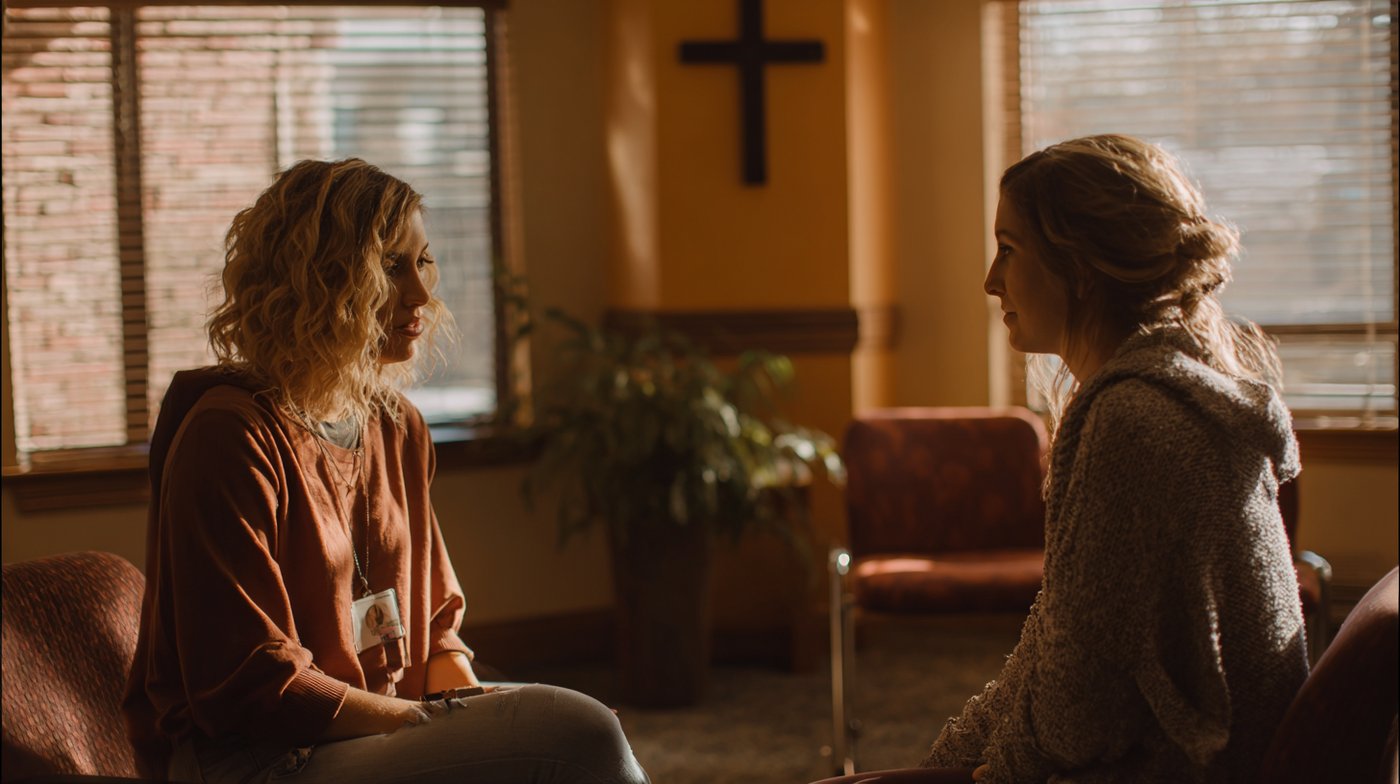
Christian treatment for anxiety and addiction works best when therapy and faith support each other. Talk therapy helps you understand why you feel the way you do and teaches you new ways to respond. Faith gives you meaning, hope and a community that keeps showing up after treatment ends.
Take a common pattern. Someone with anxiety may have a constant thought like “Something terrible is about to happen.” In therapy, they learn to notice that thought, question it and choose a calmer response. In spiritual care, they may pair that skill with a verse or a short prayer that reminds them they are not alone.
At Covenant Hills, care can include individual psychotherapy, dual diagnosis treatment, psychiatric treatment, medication management and aftercare. In the faith-based track, that clinical care sits alongside Christ-centered 12-step work. What you learn in therapy and what you practice in faith can support each other.
Treatment is also gender separate, with distinct programs for men and women. Being in a group with people of the same gender can make it easier to talk openly about depression, anxiety and shame, without the distraction of romantic attention.
When Psychiatric Care and Medication Are Part of Treatment
Once you’re sober, therapy and spiritual support may be enough to ease anxiety and depression. Or the symptoms may stay strong and keep getting in the way of recovery. That’s when psychiatric care and medication can help.
Covenant Hills offers psychiatric treatment and medication management as part of care. A psychiatric evaluation usually looks at your symptoms, your history and how substances may be affecting your mood. From there, the clinicians on your treatment team can decide whether medication makes sense. If you start one, they keep track of how it’s working.
A few things are helpful to know. Many antidepressants take several weeks to show their full effect, so patience matters. Some anxiety medications, like benzodiazepines, carry a risk of misuse, so prescribers often choose non-habit-forming options for people in addiction recovery. Any change to your medication should be made with your prescriber, never on your own.
Some Christians worry that taking medication means they don’t trust God enough. Many pastors and Christian clinicians see it differently. They view medicine as one of the ways God provides healing, much like insulin for diabetes or a cast for a broken bone. You can pray and take your medication, and neither cancels out the other.
If you’re ready to talk about your situation, call 800-662-2873 to reach our admissions team. You can ask your questions first and decide what’s right for you or your loved one after.
What Care Looks Like at Covenant Hills
Covenant Hills is a residential addiction treatment facility in Southern California serving adults. We offer a continuum of care. That means you can step down to less intensive support as you grow stronger instead of going straight from full-time care back to everyday life.
Levels of care include detox, residential inpatient treatment, day treatment, transitional care and intensive outpatient. Detox helps your body clear substances safely while withdrawal symptoms, including withdrawal-related anxiety, are managed. In residential care, you live on-site in a structured setting where treatment and rest happen in one place.
Day treatment and intensive outpatient let you keep working on your mental health and recovery while you take on more of daily life. Aftercare helps you stay connected to support once formal treatment ends. That matters for anxiety and depression, which often need ongoing attention.
We offer two program tracks. The faith-based track is Christ-centered. Our traditional 12-step addiction treatment track offers 12-step-based structure and support. Our admissions team can help you sort out which track fits you best.

Does Insurance Cover Christian Treatment for Anxiety and Addiction?
Many health insurance plans cover treatment for substance use disorders and mental health conditions. The faith-based part of a program doesn’t change that. What your plan covers depends on your policy, the level of care you need and whether the provider is in your network.
Covenant Hills is in network with a number of insurance carriers. When you call our admissions team, have your insurance card nearby so you can ask about your specific plan.
You can also review our addiction treatment accreditations and our client bill of rights. The bill of rights explains how you can expect to be treated as a client.
Questions to Ask Any Program
Not every program that calls itself Christian is equipped to treat anxiety and depression. Before you choose, it’s fair to ask direct questions and expect clear answers. These are a good place to start.
- Do you treat mental health conditions, or only addiction?
- Is psychiatric evaluation and medication management available?
- What are the credentials of the clinicians who provide therapy?
- How do faith and clinical care fit together in a typical day?
- Is the program licensed and accredited?
- What levels of care do you offer, and how do I step down?
- What support is in place after I leave?
Be cautious of any program that promises a cure or tells you that prayer alone should be enough. Recovery from addiction, anxiety and depression is real and possible, but it takes ongoing care. Honest programs will tell you so.
If You Are in Crisis Right Now
If you or your loved one is thinking about suicide or self-harm, call or text 988 to reach the 988 Suicide and Crisis Lifeline. It’s free, confidential and available 24 hours a day. If someone is in immediate danger, call 911 or go to the nearest emergency room.
Depression combined with substance use can raise the risk of suicide, especially during withdrawal or after a relapse. Reaching out in that moment is not a failure of faith. It’s a wise and courageous step.

Frequently Asked Questions
Can a Christian rehab treat anxiety and depression, or only addiction?
It depends on the program. Covenant Hills cares for adults with addiction and co-occurring mental health conditions. Care includes dual diagnosis treatment, individual psychotherapy, psychiatric treatment and medication management. In the faith-based track, this care sits alongside Christ-centered 12-step work.
Is taking antidepressants a sign of weak faith?
No. Many Christians see medication as one of the ways God provides care, the same as any other medical treatment. Whether medication is right for you is a decision to make with your prescriber and treatment team.
Will my anxiety or depression go away once I stop drinking or using?
Sometimes it improves a great deal, especially when the symptoms were caused by substances or withdrawal. For other people, anxiety or depression continues and needs its own treatment. That’s why it helps to have a team that watches how your symptoms change over the first weeks of sobriety.
Do I have to be a Christian to come to Covenant Hills?
Covenant Hills offers two tracks: a Christ-centered faith-based track and a traditional 12-step-based track. If you’re unsure which fits you or your loved one, our admissions team can explain both when you call.
Are men and women treated separately?
Yes. Covenant Hills offers gender-separate treatment, with distinct programs for men and women. This can make it easier to speak openly about shame and emotional struggles.
Will my insurance pay for treatment?
Many plans cover addiction and mental health treatment, and Covenant Hills is in network with a number of carriers. Our admissions team can answer questions about your specific plan when you call.
What happens after residential treatment ends?
Covenant Hills offers step-down levels of care, including day treatment, transitional care and intensive outpatient, as well as aftercare. You and your team can plan which steps make sense for you.
What should I do if I’m having thoughts of suicide?
Call or text 988 right away to reach the 988 Suicide and Crisis Lifeline, or call 911 if you’re in immediate danger. Once you’re safe, our team can help you plan the next step toward treatment.
Take the First Step Toward Healing
Anxiety, depression and addiction can make it feel like you’re carrying everything alone. You don’t have to. Our Christian rehab in Orange County brings clinical care and faith together so you can heal in mind, body and spirit.
Call 800-662-2873 to talk with our admissions team about you or your loved one. We can help you understand your options today.